
DSEAR Assessments with Nexus Safety: Ensuring Compliance and Workplace Safety
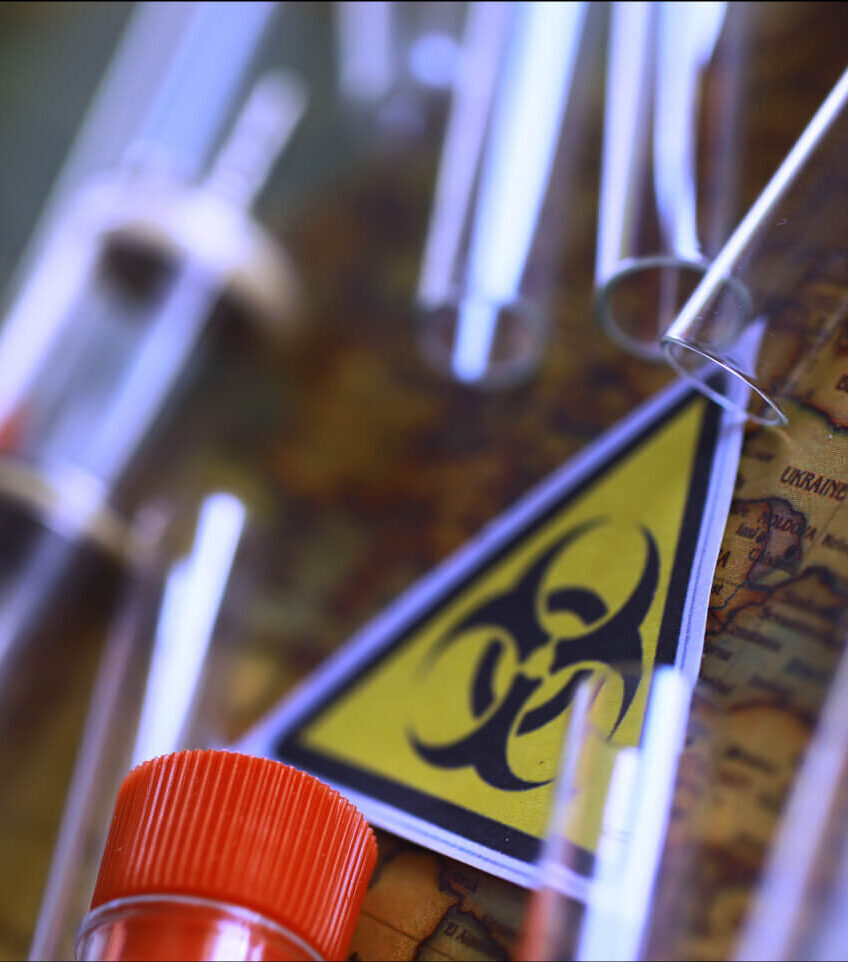
The Dangerous Substances and Explosive Atmospheres Regulations (DSEAR) 2002 require businesses to manage and control risks associated with hazardous substances. These regulations protect employees and the public from fires, explosions, and structural damage caused by dangerous materials.
At Nexus Safety, we provide detailed DSEAR assessments, ensuring compliance while fostering a safer, more efficient working environment.
IOSH-Accredited Awareness Training
In addition to our assessment services, we offer IOSH-accredited DSEAR awareness training to ensure your workforce understands DSEAR requirements and how to work safely around dangerous substances. Training is tailored to your workplace and can cover:
Fire Risk Assessments
Fire risk assessments are a legal requirement under the Regulatory Reform (Fire Safety) Order 2005, ensuring businesses identify fire hazards, reduce risks, and implement control measures to protect people and property. A well-conducted assessment not only ensures compliance but also improves safety and business resilience
ATEX Assessments: Safety and Compliance in Hazardous Areas
ATEX (Atmosphères Explosibles) regulations are critical for safeguarding environments where ATEX Assessments: Safeguarding Hazardous Areas with Expert Equipment Compliance
ATEX assessments focus on verifying the compliance and suitability of equipment and systems in hazardous zones, as identified in the DSEAR Hazardous Area Classification (HAC). At Nexus Safety, we provide ATEX-compliant solutions that align with BS EN 60079-14:2014 (design and installation) and BS EN 60079-17:2014 (inspection and maintenance), ensuring your workplace operates safely and efficiently in explosive atmospheres.
Level 3 Award in Emergency First Aid at Work (RQF)
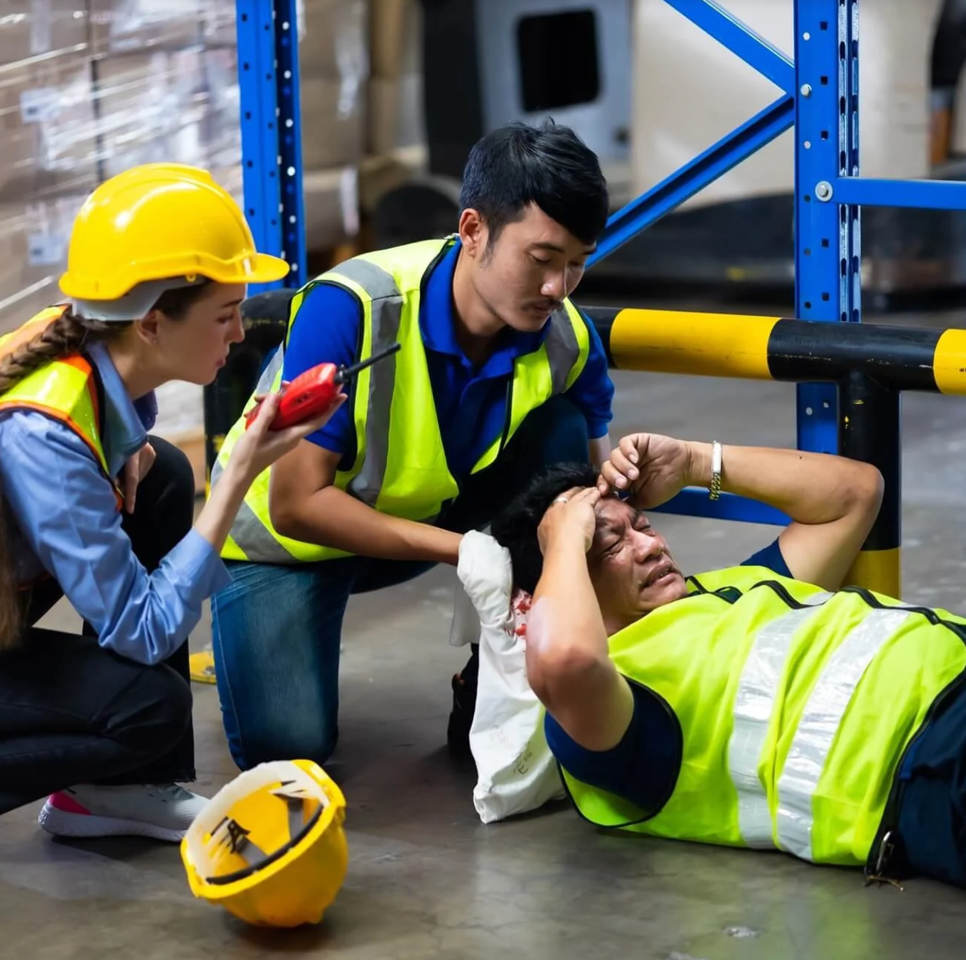
This qualification is aimed at learners who wish to become emergency first-aiders in the workplace. This qualification meets the requirements for training emergency first-aiders in those organisations that have identified that staff need to be trained to this level within their first-aid needs assessment.
How long will it take?
To complete this emergency first aid at work qualification learners should expect to undertake 7 hours of learning, typically over one day, with a minimum contact time of 6 hours.
Topics covered
The qualification covers knowledge such as the roles and responsibilities of the first aider and how to assess an incident. The qualification also covers first aid skills in CPR and use of an AED, providing first aid to a casualty who is choking and dealing with external bleeding and hypovolaemic shock.
Regulator: Ofqual/Qualification Wales